A daughter born into history
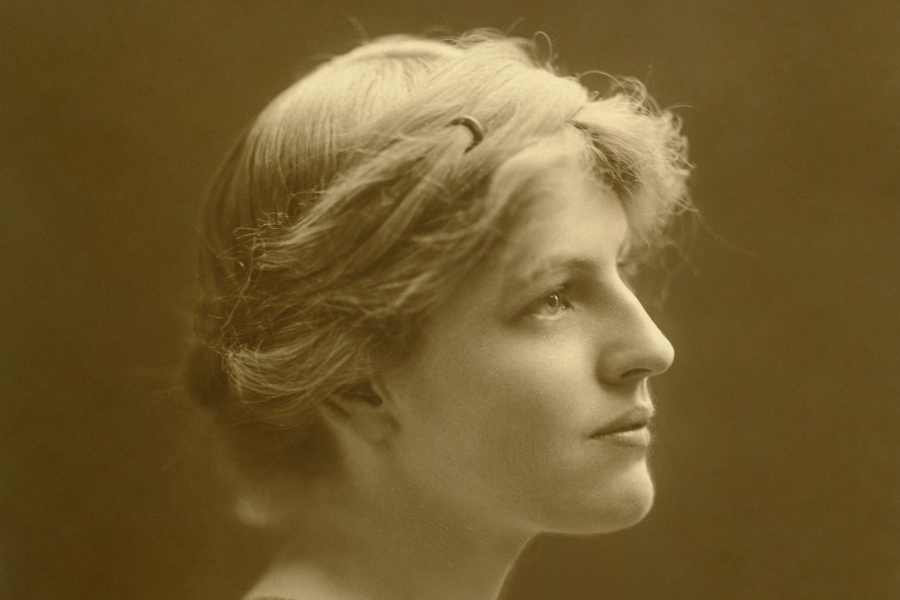
I see Jessie Woodrow Wilson Sayre as one of those rare figures who stood at the crossroads of private family life and public American history. Born in 1887 in Gainesville, Georgia, she entered the world as the second daughter of Woodrow Wilson and Ellen Axson Wilson, a child already wrapped in a story larger than herself. Her home was shaped by Presbyterian discipline, intellectual seriousness, and a strong sense of duty. That kind of upbringing can feel like a long hallway lined with portraits. Jessie walked through it and still found a voice of her own.
She grew up alongside two sisters, Margaret Woodrow Wilson and Eleanor Wilson McAdoo, in a family that would later occupy the center of national attention. Her father rose to become the 28th president of the United States, while her mother became known for grace, intelligence, and the quiet force that often holds a family together. Jessie was not simply a presidential daughter. She was a daughter who learned early how public life and personal loyalty can pull in opposite directions, like tides at the same shore.
Family roots and the people closest to her
Jessie’s family tree spreads wide and deep. On her father’s side, the Wilson line included Joseph Ruggles Wilson, her grandfather, and Janet E. Wilson, her grandmother. Their roots stretched back through Reverend Thomas Woodrow and Marion Williamson, as well as James Wilson and Anne Adams Wilson. On her mother’s side, the Axson family included Reverend Samuel Edward Axson and Margaret Jane Hoyt, with older lines reaching to Reverend Isaac Stockton Keith Axson and Rebecca Longstreet Randolph or FitzRandolph, along with Nathan Hoyt and Margaret Bliss.
I think of these ancestors as the soil under Jessie’s life. They were ministers, teachers, and family builders. Their world was one of scripture, learning, and moral seriousness. That inheritance mattered. It helped shape the atmosphere in which Jessie came of age, and it later echoed in the way she approached activism, public service, and family duty.
Her sisters were central to her life. Margaret was the eldest, and she followed a path that eventually led her toward music, education, and spiritual searching. Eleanor, the youngest, became a writer, a public observer of the Wilson family, and the wife of William Gibbs McAdoo. In many family stories, sisters are the first mirrors. Jessie’s sisters reflected two different versions of the same heritage, one artistic and inward, one political and expressive. Jessie stood between them, steady and alert.
Education, work, and the making of an activist
Jessie attended Goucher College and graduated in 1908. That detail matters because it marks her as educated at a time when many women were still forced to fight for intellectual space. She did not treat education as a decorative accomplishment. After college, she spent three years working in a Philadelphia settlement home. That was hard, practical work, the kind that places a person close to the rough edges of city life. It was not a drawing room calling. It was a field assignment in human need.
From that experience, Jessie emerged as someone shaped by reform rather than theater. She later became active in Democratic politics, women’s suffrage, the League of Women Voters, the League of Nations movement, and the YWCA. Her public life was not built on one dramatic gesture. It was built the way a bridge is built, plank by plank, across a difficult span.
One of her notable public moments came in 1928, when she gave the introductory speech for Al Smith at the Democratic National Convention. That was not a small assignment. It placed her in the loud, contested center of American politics. Jessie’s voice there suggests confidence, discipline, and a willingness to stand in the storm without flinching.
Marriage, children, and a family under public light
Jessie married Francis Bowes Sayre Sr. in the White House East Room in 1913. That wedding alone would have made her famous, but it reveals a deeper story. She married a lawyer, educator, diplomat, and government official. Francis visited Harvard, Siam, the State Department, and the Philippines. The man was not a shadow. He was a successful career man, and Jessie married two ambitious people.
Francis Bowes Sayre Jr., Eleanor Axson Sayre, and Woodrow Wilson Sayre were their children. Children have family names like sealed letters from the past. Francis Jr. became a priest and celebrity. A curator and art historian, Eleanor. Woodrow was noted for his scholarly and adventurous attitude. The children added to the Wilson story and made Jessie a mother with lasting impact.
The familial structure is intriguing. Jessie was linked to presidents, ministers, activists, diplomats, and children who formed their own identities. Her existence was like a multi-room home. Some rooms were ceremonial. Others grieved. Others had purpose, argument, and remembrance.
Widowhood of public expectation and private pressure
Jessie’s life after marriage was still family-oriented. After her mother died in 1914, she became her father’s close friend. The role must have been delicate and burdensome. When a family lives in history, even everyday correspondence might feel public. Jessie was more than a president’s daughter. She helped him maintain his emotional center.
She and Francis managed relocation, diplomacy, and parenting. Their family geography included Cambridge, Massachusetts. International service and early 20th-century political shifts did too. I see Jessie handling these changes like someone used to being in a bright area where everything is evident.
Legacy, character, and final years
Jessie died in 1933 in Cambridge after surgery, and she was buried at Nisky Hill Cemetery. Her death closed a life that had moved through the White House, reform circles, elite academic settings, and family responsibilities that never fully loosened their grip. In 1935, the Boston branch of the Women’s Democratic League was renamed in her honor, a reminder that her public work had left an imprint strong enough to outlast her.
What stays with me most is the shape of her legacy. Jessie was not merely a presidential daughter standing in the glow of a famous father. She was a college graduate, settlement worker, political activist, spouse, mother, and organizer of family memory. She carried the Wilson name, but she did not let it carry her passively. She acted, spoke, and served. Her life was not a quiet footnote. It was a braid of lineage and agency, tightly woven.
FAQ
Who was Jessie Woodrow Wilson Sayre?
Jessie Woodrow Wilson Sayre was the second daughter of President Woodrow Wilson and Ellen Axson Wilson. She became known for education, settlement work, political activism, and her role in one of America’s most famous families.
Who were Jessie Woodrow Wilson Sayre’s immediate family members?
Her parents were Woodrow Wilson and Ellen Axson Wilson. Her sisters were Margaret Woodrow Wilson and Eleanor Wilson McAdoo. Her husband was Francis Bowes Sayre Sr. Her children were Francis Bowes Sayre Jr., Eleanor Axson Sayre, and Woodrow Wilson Sayre.
What kind of work did Jessie Woodrow Wilson Sayre do?
She worked in a Philadelphia settlement home after college and later took part in Democratic politics, women’s suffrage advocacy, the League of Women Voters, the League of Nations movement, and the YWCA.
Why is Jessie Woodrow Wilson Sayre remembered?
She is remembered for combining family prominence with public action. She was part of the Wilson presidential family, but she also built her own identity through reform work, political speaking, and civic involvement.
What makes her family history notable?
Her family includes presidents, ministers, diplomats, authors, scholars, and public servants. The Wilson and Axson lines connect religious leadership, education, politics, and reform across multiple generations.